English
 Chinese (Traditional)
 Japanese
 Korean
Building Exceptional Minds
– B.B. King
A new webspace on education.govt.nz houses practical videos, activities and resources for supporting learning that are easy to understand, empowering you to take an active role in your child’s education.
An introductory video that walks you through the content is available here.
With the launch of the ‘parent-friendly’ versions of both our national curriicula, you will know exactly what your child is learning, why it’s important, and when they’ll be learning it, so that you can actively support and complement your child’s learning at home and have meaningful conversations with your child’s teacher or kaiako.
As the national curriculum continues to be updated and implemented in all schools and kura over the next few years, more resources and supports will become available for parents, caregivers and whānau. We encourage you to visit the new webspace and check out current resources, guides and videos available.
Hobsonville School is committed to offering its students rich, relevant and insightful learning experiences. The aim is that they develop a deep-rooted understanding of both context and curriculum, we achieve this by maximising their potential learning experiences and integrating learning context. This contributes to our vision for Hobsonville students to be the BEST that they can be; and become confident, connected and actively involved, life-long learners.
As well as providing students with the ‘foundation skills’ of literacy and numeracy, we hope they obtain a range of future-orientated skills that will assist them to become successful in life after school. Our approach to academic teaching involves our students developing good learning habits from the get-go. These habits are embedded through the careful design of learning experiences by the teachers. This design includes the introduction to new knowledge and concepts, influenced by the New Zealand curriculum.
We want our students to confidently say:
– We are RESEARCHERS
– We are THINKERS
– We are COLLABORATORS
– We are MANAGERS
– We are COMMUNICATORS
Primary (Yrs 0–6)
Years 0 to 6 are the important foundation years for curriculum-based learning, supported by the ‘inquiry’ method. This means that literacy, math and inquiry will be taught from a position where students are: inquirers, designers, problem solvers and problem finders. Students are introduced to and then encouraged to improve upon their skills as learners. With this approach, ‘student agency’ is nurtured.
Students transitioning to intermediate, are well on their way to:
– Knowing how to THINK
– Knowing how to LEARN
– Knowing how to COLLABORATE
– Knowing how to MANAGE
– Knowing how to USE LANGUAGE
– Knowing how to MAKE CONNECTIONS
Intermediate (Yrs 7–8)
We build on the formative primary years by further developing ‘student agency’. Students continue to develop their repertoire of learning skills to enable more independent learning. Our goal is to set up our senior students with a strong knowledge base and skill set so they can tackle the next part of their learning journey at secondary school with confidence.
Literacy
At Hobsonville School, students learn and use the English language through listening, reading, writing and oral language.
We believe that:
- Success in literacy is fundamental to success across other curriculum areas,
- All students can be readers, writers and communicators,
- Literacy is best learned when reading, writing and oral language is integrated and is connected to the students world.
Numeracy
Maths at Hobsonville School is EXCITING, ENGAGING and COLLABORATIVE. Our students work in small, collaborative, problem-solving groups of three to unpack a maths problem and find clues to support shared thinking to solve these problems. Our teachers carefully plan workshops in the days leading up to each collaborative session, to ensure that each child is equipped with the necessary mathematical tools.
We believe that ALL students can be mathematicians.
Our aim is to produce students who have a well-developed number sense and who are able to solve the mathematical problems required of them in their daily lives. Research indicates that mathematics, or the ability to be a good mathematician is not genetic, but rather a way of belief and attitude. Renowned mathematical researchers Jo Boaler and Carol Dweck firmly believe that mathematical success is developed by experiencing failure, while having a positive attitude to not give up.
Digital Technology
Our students work with a range of devices and exciting tools to engage, enhance and deepen their learning. They’re a way for students to show and explain their understanding and learning, so these tools are integrated with our curriculum (e.g. Seesaw and Google Classroom). We’ve been working hard over the past four years to develop our digital readiness as the Ministry of Education implements new digital curriculum content. As such, our students are currently having many opportunities to code, work with robots and innovate digital outcomes to develop their computational thinking.
We view digital tools as a way for students to:
- Show and explain their understanding and learning, and so these tools are integrated with our curriculum,
- Be creators of digital solutions – designed for purpose; moving beyond being only consumers and users of digital technologies,
- Develop an understanding of computer science principles and core programming concepts.
Inquiry, Science & STEAM
Inquiry is a process that allows students to explore and investigate. We have a strong focus on developing knowledge and skills with learning experiences developed around promoting critical thinking, problem solving and collaborative practice. This means that students can get ‘hands on’, creating and experimenting, as well planning and taking action, to make a difference to real-life problems.
We value science and guide our students to see the world through a science lens. This thinking will always be integrated into the student’s inquiry learning program. Student inquiries can involve Social Sciences and Technology, basic Engineering and the Arts. Usually an inquiry will involve more than one area, thus the acronym STEAM (Science, Technology, Engineering, Arts and Maths).
At Hobsonville School, we believe that our students must:
- Have an understanding about the role of scientists,
- Be able to carry out more complex investigations,
- Communicate in science, using a range of science vocabulary, symbols and conventions,
- Develop and understanding of socio-scientific issues so that they can contribute to society and take action when required.
WE ARE FAMILY
The continuity of remaining with us can provide a more settled, stable start for our Year 7 students moving into Year 8, the true leaders of our school. Our students have been able to form strong learning relationships with their peers, teachers and school leaders as they’ve moved through the junior and middle school. This allows them to interact and collaborate with certainty and confidence right from the start of their intermediate years.
ADVANTAGES OF A FULL PRIMARY
The advantage of a combined primary and intermediate school is that there is a continuation of expectations and teaching practices that students are familiar with – in an environment they know and love. Research shows that many children experience a drop-off in their learning of anywhere between 6 to 18 months when transitioning from one school to the next. What’s more, because students have seen the role modeling of those that have come before them, they tend to transition easily into the senior campus. Our students willingly take on Year 7 and 8 responsibilities, such as leadership roles in academic, cultural and sporting groups and teams.
CELEBRATING OUR SENIORS
Hobsonville School has a tradition of celebrating our Year 7 and 8 students. We offer a range of unique experiences as well as the annual Year 8 Graduation dinner and our end of year Intermediate Disco.
Numerous opportunities are available for our intermediate students to explore and develop skills. We actively encourage them to make the most of these experiences. Our intermediate students learn in collaborative learning environments, supported by their teachers, to develop positive learning habits and behaviours that equip them for high school. Everything we do contributes to the healthy growth and development of these young citizens. Students leave Hobsonville School as well-rounded individuals ready for the challenges of college.
Year 7/8 Extra-Curricular Opportunities
- Kapa Haka
- Pasifika
- Indian Dance
- Chinese Culture Group
- Choir
- Ukulele
- Piano
- Violin
- Book Battle
- Out of School Netball
- Out of School Touch
- Out of School Basketball
- Badminton
- North West Sport
- Aquabots
- Chess
- Drama
- AIMs Games
- Mathex
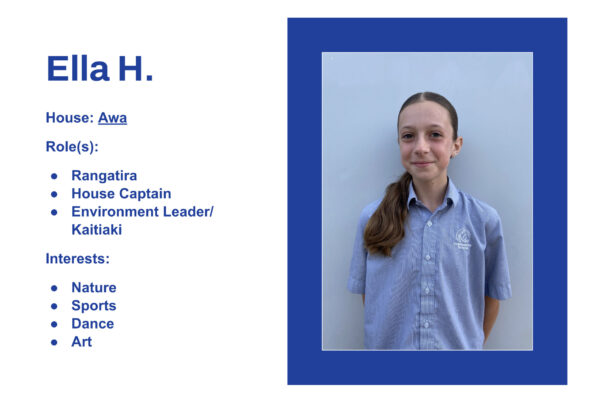
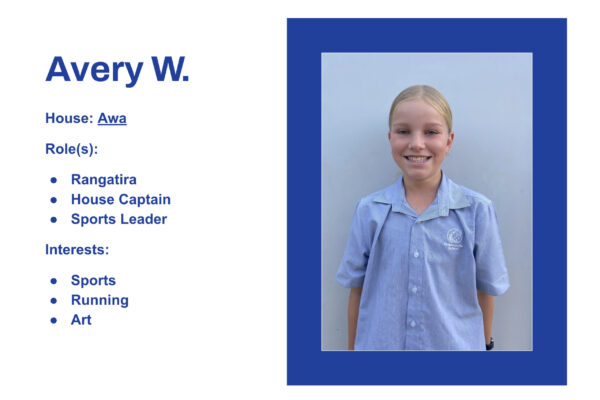
Leadership Roles
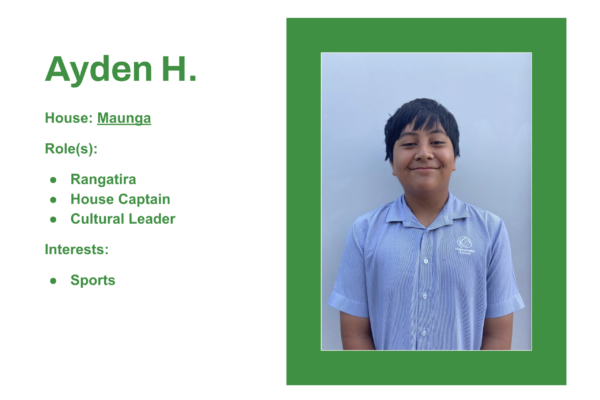
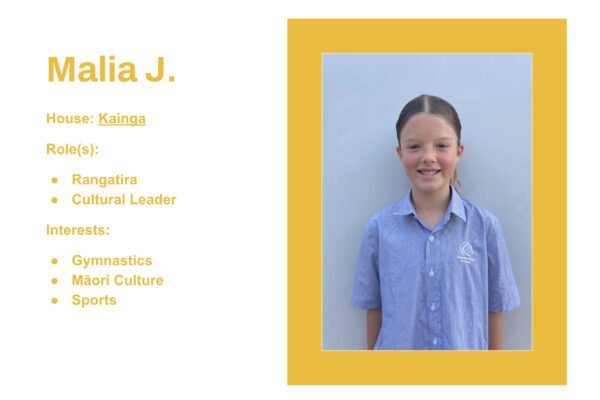
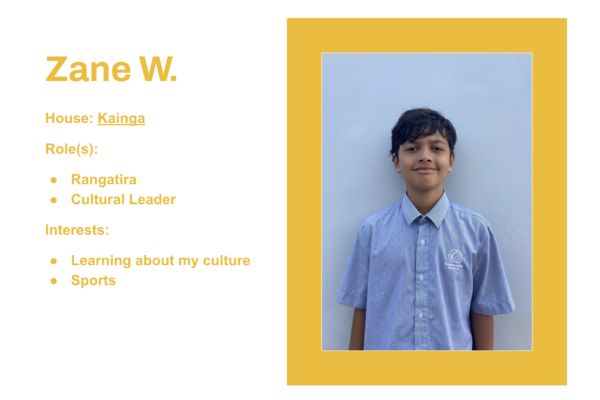
- Cultural Leader
- Assembly MC
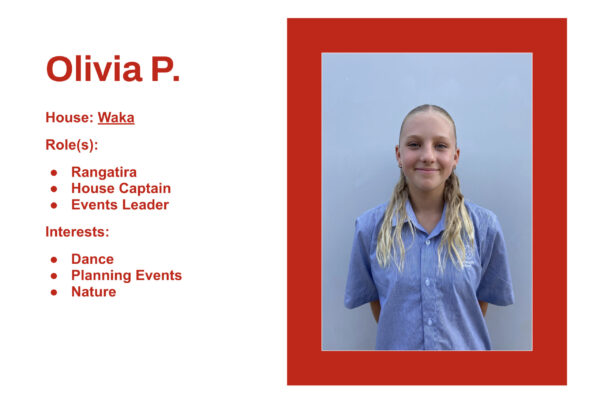
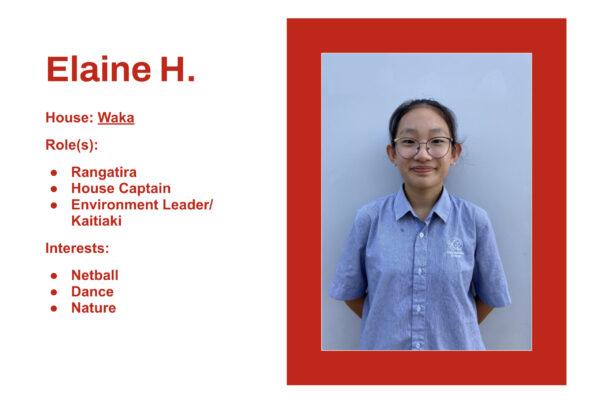
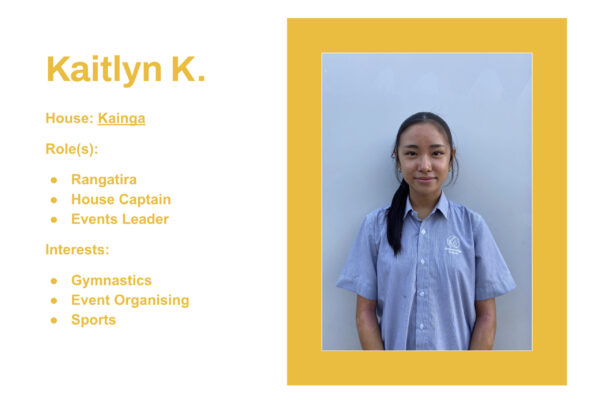
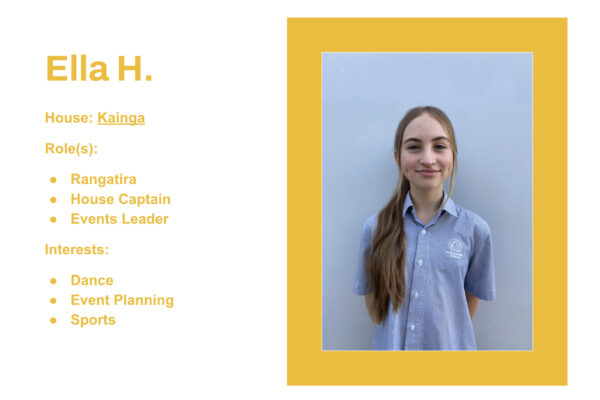
- House Captain
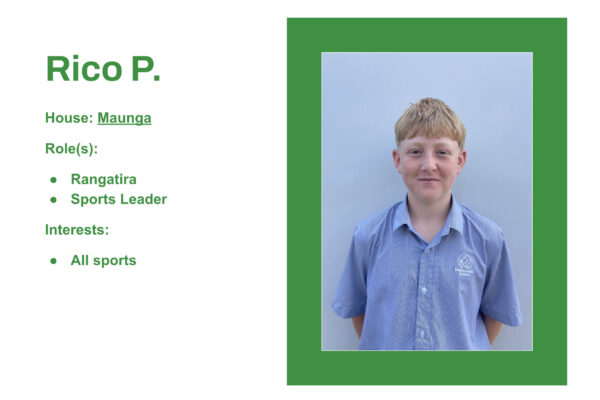
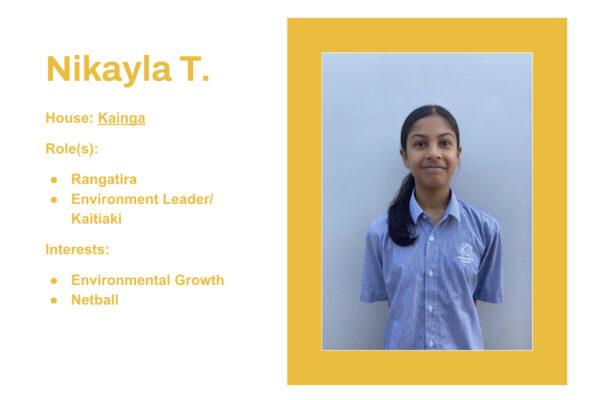
- Rangitira Leader
- Bike Monitor
- Sports Monitor
- Coach
- Student Librarian
- Road Patroller
STEAM
Our goal is to extend our Year 7 and 8 students further with Concept Based Inquiry and both Scince and Technology learning areas of the curriculum.
We will do this by authentically integrating STEAM (Science, Technology, Engineering, Arts and Mathematics) education into our everyday learning experiences.
On Fridays, the students will participate in STEAM sessions. These sessions include a range of hands-on STEAM learning experiences and explicit teaching, such as woodwork, 2D and 3D artistic, digital and technological design, science lessons, etc.
Students attend Garden to Table (Food Technology), Visual Art and Performing Arts throughout the term, separately to STEAM sessions, but we endeavour to integrate these curriculum areas when relevant into our STEAM programme.
Food Technology: Year 7 & 8 Food Technology blends practical kitchen skills with technology thinking — from researching food trends to designing and testing recipes. Students use the technological practice model to identify opportunities, generate ideas, make informed choices, and evaluate outcomes. They deepen their technological knowledge by understanding food science, materials, and sustainability, preparing them for responsible decision-making now and in the future.
Rachael Blair – Garden to Table:
rachael.blair@hobsonville.school.nz
Visual Arts: At Hobsonville School, Visual Arts is a space where creativity, identity and imagination are nurtured. Students explore and express their ideas using a wide range of materials and processes, including clay, painting, printmaking, drawing and sculpture. Aligned with the Refreshed New Zealand Curriculum, the programme supports learners to deepen their understanding of elements such as colour, form, texture, line and pattern, while developing personal meaning in their work. Student voice is central, with opportunities to create artwork that reflects individual identity, culture and experiences. Visual Arts builds confidence, creative thinking and pride, empowering students to see themselves as capable, expressive young artists.
Stacey Osborne: stacey.osborne@hobsonville.school.nz
Jacques Schutte – Multi Materials:
jacques.schutte@hobsonville.school.nz

Activ8
All Year 7/8 students have the opportunity to attend Activ8 sessions, led by an outside facilitator/coach – David Curtis (Activ8 Programme Director), for a consecutive seven week period with their class and classroom teacher.
The Activ8 programme has a strong emphasis on the development of practical skills that provide a problem solving framework, which can be applied to real-life situations. Weekly reinforcement over the seven weeks builds on learned skills, and provides opportunities to practise problem solving, and team skills in real group situations, e.g. the classroom, the playground, home, the sports field etc.
Each individual programme is tailored to meet the specific objectives of the school, which is an active partner in the delivery of the programme. The primary focus of the programme is to enhance the social development, communication and leadership competencies of the students, and for Year 7/8 students, this is crucial preparation as they approach high school.